
Most celebration cakes in Malaysia still default to vanilla or chocolate, yet the country has some of the most distinctive dessert flavours on the planet. If you are planning a birthday, anniversary, or festive gathering and want something that actually feels Malaysian, the choice of Malaysian cake flavours matters more than the fondant decorations or the candle count. The five flavours below are not novelties. They are rooted in real Malaysian ingredients, they resonate with local guests across generations, and when executed well, they elevate any celebration from ordinary to genuinely memorable.
Table of Contents
- Quick Takeaways
- Why Local Flavours Win at Malaysian Celebrations
- Cendol Cake: The Crowd-Pleaser with Depth
- Pandan Gula Melaka Cake: The Flavour Combination That Defines Malaysia
- Teh Tarik Cake: Comfort in Every Slice
- Ondeh Ondeh Cake: The Instagram Favourite with Real Substance
- Palm Sugar and Toasted Coconut Cake: The Underrated Classic
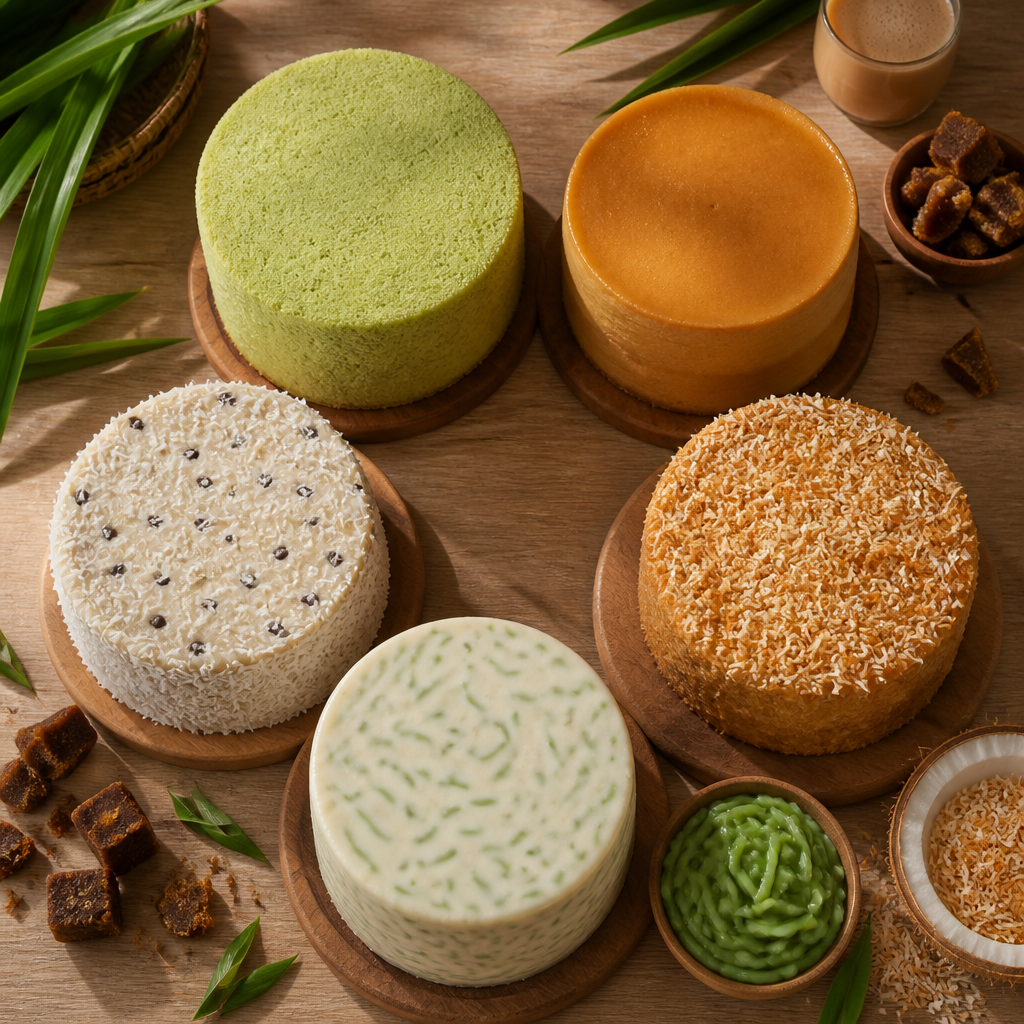
- Comparing the Five Flavours: What Works for Which Occasion
- Frequently Asked Questions
- References
Quick Takeaways
| Key Insight | Explanation |
|---|---|
| Cendol Cake works for all ages | The combination of pandan jelly, palm sugar, and coconut milk is familiar to every Malaysian demographic, making it a safe yet exciting choice for large gatherings. |
| Pandan Gula Melaka is the benchmark local flavour | Pandan Gula Melaka cake in Malaysia consistently outperforms other local flavours in repeat orders at premium patisseries because the flavour profile is complex but instantly recognisable. |
| Teh Tarik cake pairs perfectly with afternoon events | The malt-and-milk tea profile of Teh Tarik cake mirrors the drink Malaysians consume daily, making it a natural fit for daytime birthday teas and corporate celebrations. |
| Ondeh Ondeh cake signals intention and creativity | Choosing an Ondeh Ondeh cake signals that the host put thought into the selection. Guests notice and remember it, which matters for events where impressions count. |
| Palm Sugar and Toasted Coconut is the least expected but most satisfying | This flavour combination is underrepresented on most menus, so it stands out immediately. The caramel depth of palm sugar paired with the nuttiness of toasted coconut creates a layer of complexity that standard sponge cakes cannot replicate. |
| Local flavours photograph better at celebrations | The deep greens, caramel browns, and gula melaka drizzles in local-inspired cakes produce richer visual contrast than plain cream cakes, which directly improves how celebration photos look. |
| Freshness of ingredients is non-negotiable | Local-inspired cakes rely on ingredients like fresh pandan leaves, real gula melaka, and freshly squeezed coconut milk. Shortcuts with artificial flavouring are immediately detectable and ruin the experience. |
Why Local Flavours Win at Malaysian Celebrations
There is a persistent assumption that Western-style cakes, think towering layered vanilla chiffons or classic chocolate ganache, are the gold standard for celebrations. That assumption is outdated. A growing number of Malaysians hosting birthdays and special events are specifically requesting local-inspired flavours because they want their celebration food to reflect who they are.
In practice, local flavours do two things that imported-style cakes rarely achieve. First, they trigger genuine nostalgia. When a guest bites into a well-made Cendol Cake in KL, the flavour connects to a shared cultural memory that a classic red velvet simply cannot replicate. Second, they spark conversation. A locally inspired cake becomes a talking point at the table, and that social dimension adds real value to any event.
“Food is the most powerful connector of people to place and memory. When a celebration cake tastes like home, the emotional impact of the occasion multiplies.” – Bee Wilson, food writer and author of The Way We Eat Now
Patisseries like Petite Serie Desserts in Kuala Lumpur have been at the forefront of this shift, offering handcrafted cakes that use real local ingredients rather than flavouring essences. The difference in quality is immediate and unmistakable.
Cendol Cake: The Crowd-Pleaser with Depth
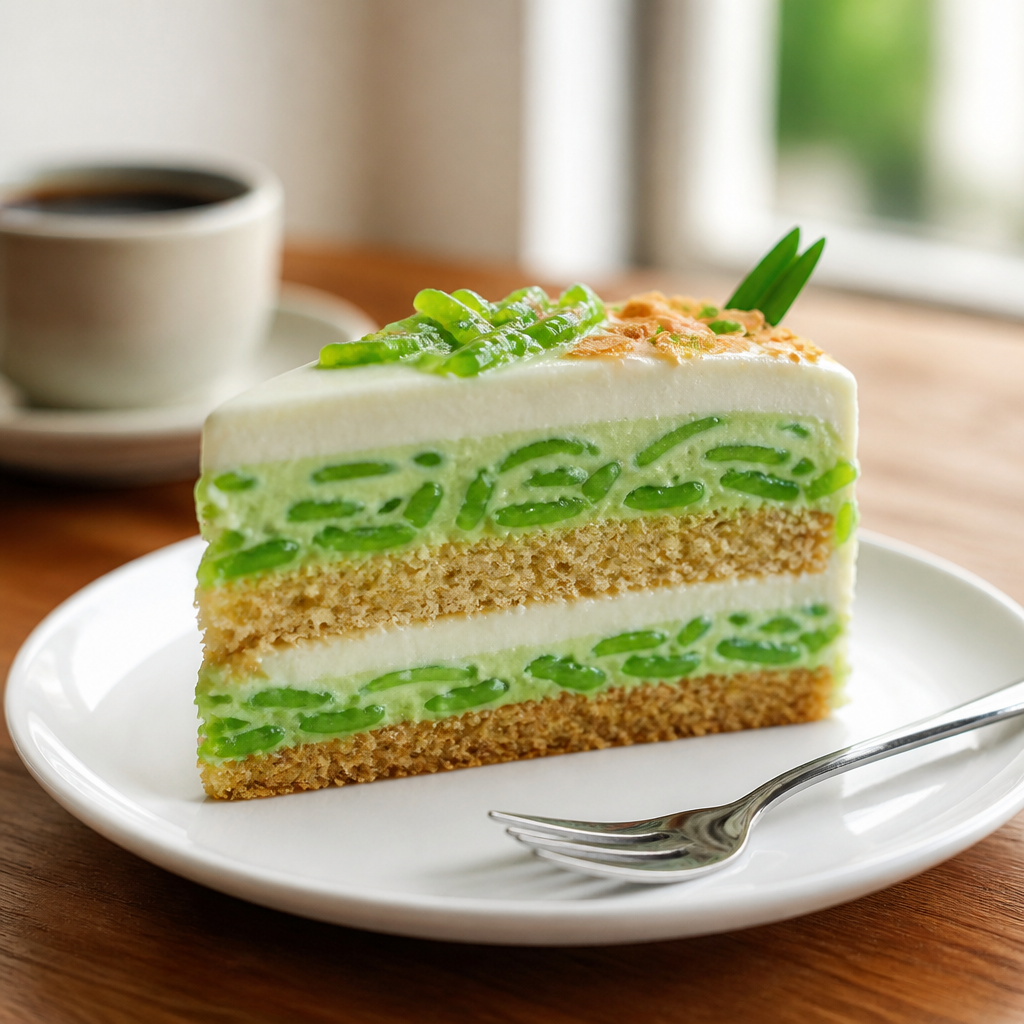
Cendol is one of Malaysia’s most beloved desserts, and translating it into a layered celebration cake is one of the most intelligent flavour decisions a baker can make. A proper Cendol Cake in KL should feature actual pandan-infused jelly strands, a gula melaka caramel layer, and coconut milk cream, not a green-tinted sponge with coconut extract squeezed in as an afterthought.
What Makes a Cendol Cake Worth Ordering
The layering matters enormously. The best versions balance three distinct textures: a soft sponge base, a creamy coconut layer with genuine fat content from real santan, and the pandan jelly strands that give the cake its visual identity and chew. The gula melaka drizzle on top is not decoration. It is a structural flavour component.
A common mistake is over-sweetening the coconut cream to mask the absence of quality santan. Real coconut milk has a natural sweetness and a slight savouriness that artificial coconut flavouring cannot produce. If your Cendol Cake tastes only sweet with no savoury undertone, the baker has cut corners.
Pro tip: When ordering a Cendol Cake for a celebration with 20 or more guests, ask specifically whether the gula melaka used is Malaccan palm sugar or a commercial substitute. Genuine Malaccan gula melaka has a smokier, more complex flavour that transforms the entire eating experience.
For birthdays in particular, Cendol Cake works across all age groups. Older guests recognise the flavour from the hawker stall. Younger guests find it fresh and photogenic. That dual appeal is rare in any single cake flavour.
Pandan Gula Melaka Cake: The Flavour Combination That Defines Malaysia
Pandan Gula Melaka cake in Malaysia is not a trend. It is a category. The pairing of fresh pandan with gula melaka is so deeply embedded in Malaysian dessert culture that any patisserie failing to do it well immediately loses credibility with serious dessert lovers.
Why This Pairing Works So Well
Pandan contributes a grassy, vanilla-adjacent aroma with a subtle nuttiness. Gula melaka brings a deep caramel with molasses notes. Together, they create a flavour profile that is simultaneously familiar and sophisticated. Western equivalents like matcha and white chocolate or vanilla and salted caramel operate on the same principle of herbal-sweet contrast, but the pandan and gula melaka version is distinctly Malaysian.
The technical challenge is in the pandan extraction. Fresh pandan juice from blended leaves produces a vivid green that artificial pandan paste cannot match. The colour difference alone signals quality to experienced dessert eaters. At a celebration where presentation matters, a pale, artificially flavoured pandan cake is a liability.
In practice, the best Pandan Gula Melaka cakes use a layered construction: a pandan chiffon or sponge, a gula melaka custard or sauce between layers, and either a coconut cream frosting or a delicate gula melaka glaze on top. The result is a cake that looks restrained but delivers maximum flavour impact.
Pro tip: Pandan Gula Melaka cake is an excellent choice for Hari Raya gatherings and Deepavali celebrations where you want to serve something that feels festive without being overtly tied to one specific cultural tradition. The flavour is genuinely cross-cultural within Malaysia.
Teh Tarik Cake: Comfort in Every Slice
Teh Tarik is the unofficial national drink of Malaysia. Converting that flavour into a celebration cake is a straightforward emotional shortcut: guests feel immediately at home. The key is executing the malt-and-milk-tea profile without making the cake taste like a sweetened condensed milk overdose, which is the most common failure mode.
The Right Balance of Tea and Sweetness
A well-made Teh Tarik cake uses a strong brew of Ceylon or Boh tea steeped directly into the cream or cake batter. The tea must be assertive enough to survive the sugar and butter in a cake context. A weak tea infusion disappears completely, leaving only a generic sweet cream that defeats the entire purpose.
The milk component is traditionally provided by sweetened condensed milk or evaporated milk in Teh Tarik, and a good baker translates that into the cake through a caramelised milk glaze or a condensed milk buttercream. The result should taste recognisably like Teh Tarik, not like a generic caramel cake with a tea label.
This flavour works exceptionally well for corporate celebrations and office birthday cakes. It is approachable, not divisive, and appeals to colleagues across different backgrounds. Unlike a very sweet or intensely pandan-forward cake, Teh Tarik sits in a comfort zone that almost no Malaysian will refuse.
Ondeh Ondeh Cake: The Instagram Favourite with Real Substance
Ondeh Ondeh is the small pandan rice ball filled with liquid gula melaka and coated in desiccated coconut. Translating this into a layer cake format produced one of the most visually striking Malaysian cake flavours of the last five years. The appeal is not just visual, though the green sponge, white coconut cream, and caramel interior genuinely photograph well. The flavour delivery is genuinely exciting.
The Molten Centre Experience in Cake Form
What makes an Ondeh Ondeh cake memorable is the gula melaka centre. The best versions incorporate a gula melaka molten layer or a thick caramel insert between the pandan sponge layers so that each slice reveals a caramel cross-section. This is not merely decorative. It replicates the experience of biting into an actual Ondeh Ondeh, where the burst of liquid palm sugar is the defining moment.
The desiccated or freshly grated coconut on the exterior of the cake is equally important. It adds texture, visual interest, and connects the eating experience directly back to the original kuih. A bare Ondeh Ondeh cake without coconut coating is like a Black Forest without cherries: technically edible but missing the point.
For birthday celebrations where the host wants to make a clear aesthetic statement, Ondeh Ondeh cake is the strongest choice among all local-inspired Malaysian cake flavours. It signals creativity and cultural pride simultaneously.
Palm Sugar and Toasted Coconut Cake: The Underrated Classic
This flavour combination does not have the name recognition of Cendol or the viral appeal of Ondeh Ondeh, and that is precisely why it stands out. When a host serves a Palm Sugar and Toasted Coconut cake at a celebration, guests who recognise the flavour profile immediately understand that the host chose with genuine knowledge rather than defaulting to the most popular option.
Why Toasting the Coconut Changes Everything
Raw desiccated coconut is mild and slightly sweet. Toasted coconut develops a nutty, almost smoky depth that pairs directly with the molasses character of palm sugar. Together, they create a flavour combination that is uniquely Southeast Asian and completely distinct from anything in the Western patisserie tradition.
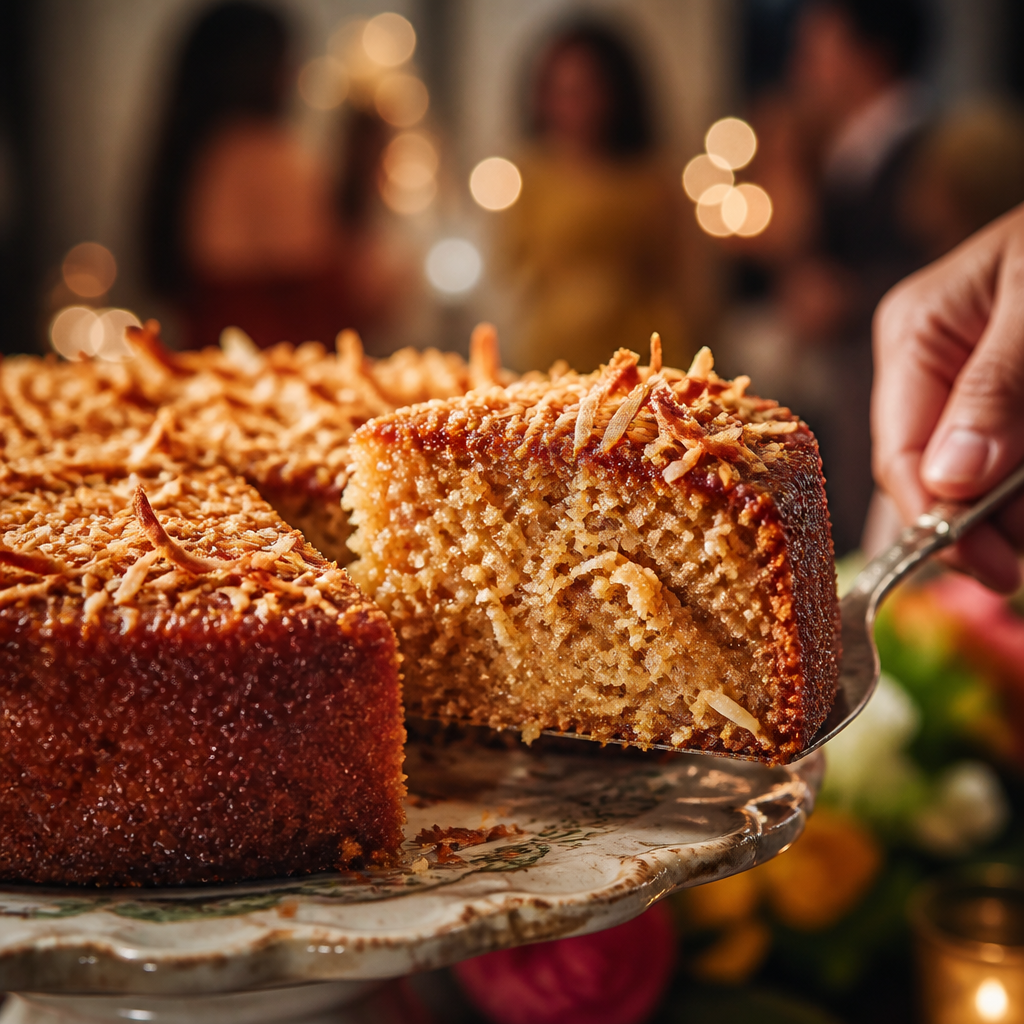
The cake construction typically involves a soft butter sponge or chiffon infused with palm sugar syrup, layers of toasted coconut cream, and a palm sugar caramel drizzle. The result is rich without being cloying, complex without being challenging.
This cake is particularly well-suited for milestone celebrations like 50th birthdays, anniversaries, or gatherings of older family members who will recognise and deeply appreciate the authenticity of the flavour. It is also an excellent option for event planners who want to serve something guests will specifically remember and ask about afterward.
Comparing the Five Flavours: What Works for Which Occasion
Choosing the right Malaysian cake flavour depends on the audience, the occasion, and the statement the host wants to make. The table below provides a direct, practical comparison across the five flavours covered in this article.
| Cake Flavour | Best Occasion | Key Flavour Profile and Audience Appeal |
|---|---|---|
| Cendol Cake | Large family birthdays, festive gatherings, Hari Raya | Pandan jelly, gula melaka, coconut cream. Appeals to all age groups. Strong nostalgic resonance across demographics. |
| Pandan Gula Melaka | Cross-cultural celebrations, wedding desserts, upscale events | Fresh pandan sponge, caramel gula melaka, coconut frosting. Sophisticated, photogenic, deeply Malaysian. Works across ethnicities. |
| Teh Tarik | Office birthdays, corporate events, afternoon tea parties | Milk tea cream, malt notes, condensed milk glaze. Universally appealing, comfort-forward, no divisive elements. |
| Ondeh Ondeh | Birthday celebrations, social media-worthy events, creative occasions | Pandan sponge, gula melaka molten layer, coconut coating. Visually striking, flavour-forward, culturally expressive. |
| Palm Sugar and Toasted Coconut | Milestone birthdays, anniversaries, intimate dinners | Deep caramel palm sugar, nutty toasted coconut, butter sponge. Understated, complex, best appreciated by guests with refined palates. |
Frequently Asked Questions
What are the most popular Malaysian cake flavours for birthday celebrations?
Cendol Cake and Pandan Gula Melaka are consistently the top two choices for birthday celebrations in KL and Selangor. Both flavours have broad demographic appeal, work well as centrepiece cakes, and photograph beautifully. Ondeh Ondeh cake has grown significantly in popularity over the last three years, particularly among younger hosts who want a visually distinctive option.
Where can I order a Cendol Cake in KL with same-day delivery?
Petite Serie Desserts in KL offers Cendol Cake as part of their handcrafted celebration cake range, with same-day delivery and pickup options available in KL and Selangor. Their version uses real gula melaka and pandan jelly strands, not artificial flavouring, which makes a significant difference in quality. You can browse their full cake selection at petiteserie.com.my.
Is Pandan Gula Melaka cake suitable for guests who do not eat pandan regularly?
Yes. Pandan has a mild, grassy-vanilla flavour that is almost universally approachable. The gula melaka component is simply caramelised palm sugar, which functions similarly to brown sugar or butterscotch to guests unfamiliar with it. The only guests who might find Pandan Gula Melaka cake unusual are those completely unaccustomed to Southeast Asian desserts, but even then the flavour profile is pleasant and not challenging.
How far in advance should I order a local-inspired celebration cake?
For a standard handcrafted local-inspired cake, ordering at least three to four days in advance is strongly recommended, especially on weekends and during festive periods like Hari Raya, Chinese New Year, and Deepavali. Custom designs with specific decorations may require five to seven days. Same-day options are typically available for a curated selection of ready-to-collect cakes, but customisation options are limited for same-day orders.
Can Malaysian cake flavours be adapted for dietary requirements like dairy-free or eggless?
Several local-inspired flavours adapt well to dietary modifications. Pandan Gula Melaka and Cendol cakes can be made dairy-free by substituting coconut cream for dairy cream, which actually improves the authenticity of both flavours since coconut is already a primary ingredient. Eggless versions are technically achievable but require careful adjustment of the sponge structure. Always confirm dietary accommodation capabilities directly with the patisserie when placing your order.
What is the difference between a Pandan Gula Melaka cake and an Ondeh Ondeh cake?
Both cakes feature pandan sponge and gula melaka, but they differ in construction and flavour emphasis. A Pandan Gula Melaka cake focuses on the layered interplay of fresh pandan aroma and palm sugar caramel, typically with a coconut cream frosting. An Ondeh Ondeh cake specifically replicates the texture and experience of the kuih ondeh ondeh, incorporating a gula melaka molten or caramel insert and a desiccated or fresh coconut coating on the exterior. The Ondeh Ondeh version is more textured and visually dramatic.
Which of these five Malaysian cake flavours would you choose for your next celebration, and what was the reaction from your guests when they tasted it?
References
- Statista global food and beverage consumer trends and market data
- Forbes coverage of food culture, artisan bakery industry growth, and consumer experience trends
- ScienceDirect research on sensory science, food flavour perception, and ingredient interaction in baked goods
- Food and Wine editorial coverage of Southeast Asian dessert traditions and ingredient spotlights
- National Geographic reporting on Malaysian food culture, heritage ingredients, and culinary identity