
Most people searching for French pastries in KL end up at the same generic cafes serving stale croissants and overpriced macarons that taste nothing like what they saw on Instagram. The petite pastry category, which includes cinnamon rolls, palmiers, and tarts, is where a real patisserie separates itself from a bakery that simply owns a convection oven. Understanding what makes each of these items distinct helps you order smarter, appreciate craft more deeply, and find the right bakery for your occasion.
Table of Contents
- Quick Takeaways
- What Actually Makes a Pastry French
- Cinnamon Rolls in Malaysia: What to Expect and What to Demand
- Palmier Cookies in Kuala Lumpur: The Most Underrated French Pastry
- Tarts Done the French Patisserie Way
- Comparing Petite Pastries: Cinnamon Rolls vs Palmiers vs Tarts
- Where to Find Premium French Pastries in KL and Selangor
- Frequently Asked Questions
- References
Quick Takeaways
| Key Insight | Explanation |
|---|---|
| Laminated dough is non-negotiable for palmiers | A real palmier uses puff pastry with hundreds of butter layers. Shortcuts produce a biscuit, not a palmier. |
| Cinnamon rolls require enriched dough, not bread dough | Eggs and butter in the dough create the soft, pillowy texture that defines a proper cinnamon roll versus a dense bread spiral. |
| French tart shells must be blind-baked | A soggy tart base is the number one sign a patisserie has cut corners. Proper pâte sucrée must be pre-baked before filling. |
| Malaysian-inspired fillings are a legitimate evolution | Local flavors like pandan, kaya, and cendol in tart shells or roll fillings are not gimmicks. They reflect genuine culinary creativity. |
| Freshness windows differ dramatically by pastry type | Palmiers are best within 4 hours of baking. Cinnamon rolls hold well for 24 hours. Tarts with custard should be consumed the same day. |
| Petite pastries are not just for casual snacking | Petit fours and petite French pastries are increasingly used at KL events, corporate functions, and celebration spreads. |
| Butter quality directly impacts palmier flavor | European-style butter with higher fat content (83% or above) produces a significantly richer, more caramelized palmier. |
What Actually Makes a Pastry French
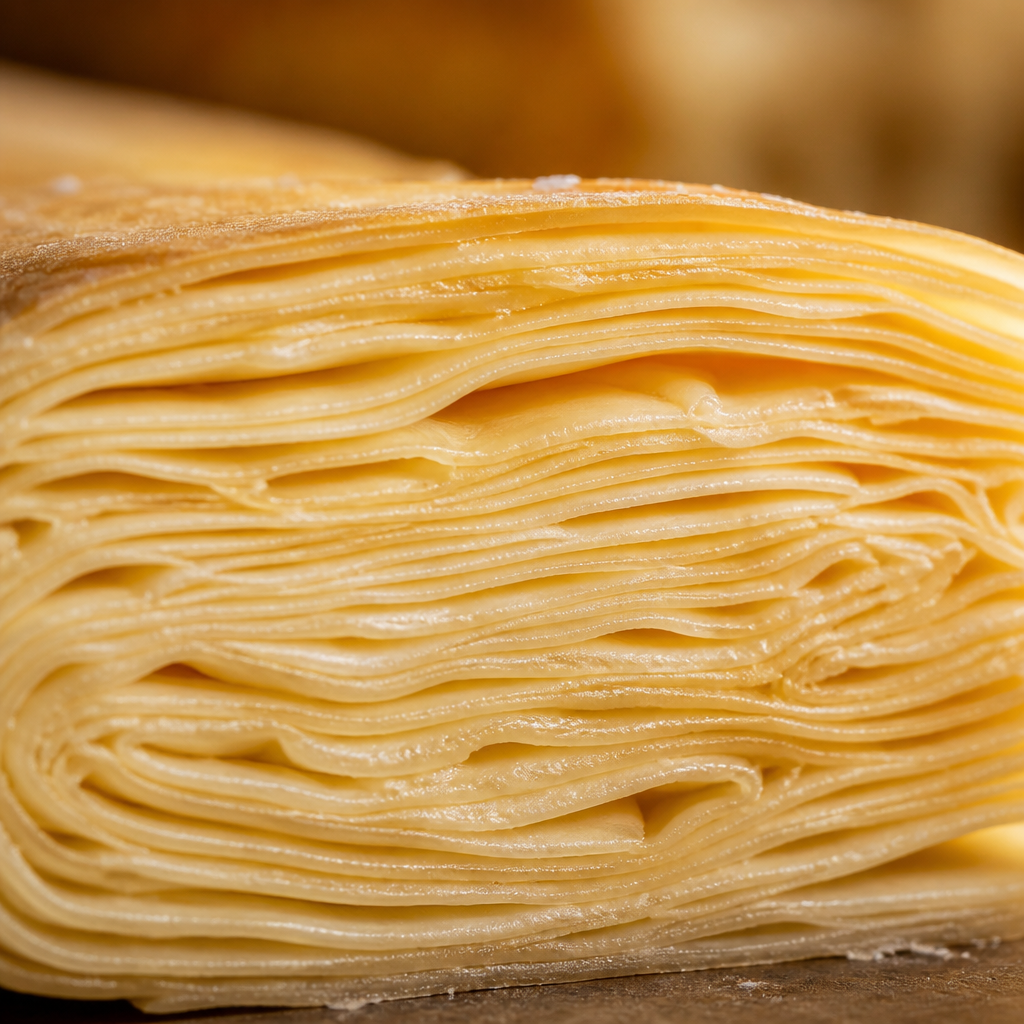
The word “French” in pastry is not just a marketing label. It refers to a set of specific techniques, primarily involving lamination, enriched doughs, and precision pastry cream preparation. A croissant, a palmier, and a mille-feuille all share one ancestor: laminated dough, where thin layers of butter are folded repeatedly into a base dough to create flakiness through steam expansion during baking.
Tarts follow a different path but are equally technical. The French tart shell, made from pâte sucrée (sweet shortcrust) or pâte sablée, requires the baker to understand the protein structure of flour and the behavior of cold butter. Overworking the dough develops gluten and produces a tough shell. Under-resting it causes shrinkage in the oven.
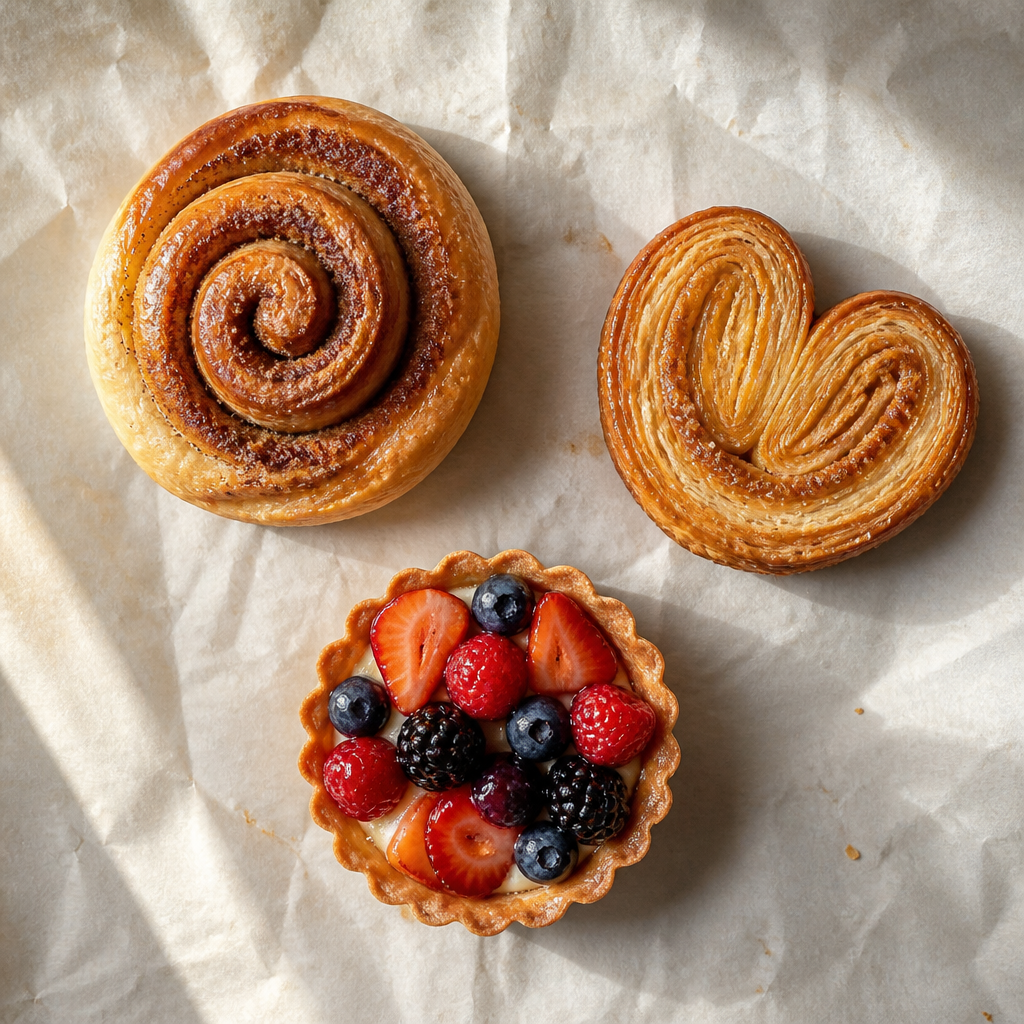
Cinnamon rolls technically have Scandinavian roots, but the enriched dough technique and the integration of these rolls into modern French-style patisseries across KL has made them a legitimate item on a petite pastry menu. What distinguishes a patisserie-quality cinnamon roll from a mall bakery version is the lamination. Some high-end versions use a croissant-dough base, producing what is sometimes called a cruffin roll, a hybrid that is becoming increasingly popular in KL’s artisan pastry scene.
“The mark of a great pastry chef is restraint. Every layer, every fold, every gram of sugar serves a purpose. If it doesn’t, it gets removed.” – Dominique Ansel, pastry chef and creator of the Cronut
In practice, the easiest way to evaluate a French pastry in KL is to look at the cross-section. A properly laminated product shows distinct, separate layers. A well-made tart shell snaps cleanly without crumbling into dust. A cinnamon roll should pull apart in spiraling ribbons, not tear unevenly like bread.
Cinnamon Rolls in Malaysia: What to Expect and What to Demand
The cinnamon roll market in Malaysia has exploded over the past five years. Walk through any artisan market in Bangsar or Damansara and you will find at least three vendors selling them. The problem is that quality varies enormously, and most buyers cannot tell the difference until they bite in.
What separates a good cinnamon roll from a mediocre one
The dough must be enriched, meaning it contains milk, eggs, and butter at levels well above a standard bread recipe. This creates a tender crumb that pulls apart softly rather than chewing like a baguette. The filling must be a paste, not a dry powder. Ground cinnamon mixed with brown sugar and softened butter, pressed firmly into the rolled dough, ensures the filling stays in place rather than spilling out during baking.
The cream cheese frosting, which is considered standard for American-style cinnamon rolls, should be applied warm. Cold frosting on a hot roll slides off and creates a greasy surface layer rather than melting into the spiral.
Cinnamon rolls in the Malaysian context
Some of the most interesting cinnamon rolls in Malaysia incorporate local spice profiles. Cardamom and pandan are natural companions to cinnamon in Malaysian flavor palates. A patisserie like Petite Serie, which already incorporates local-inspired flavors across its pastry range (think Cendol Cake and other local-inspired offerings), is well-positioned to create a cinnamon roll that feels rooted in the local context rather than simply copying a Western format.
A common mistake buyers make is ordering cinnamon rolls for pickup the following morning and refrigerating them overnight. Refrigeration dries out enriched doughs rapidly. Room temperature storage in an airtight container is the correct approach for anything within a 12-hour window.
Pro tip: If you are ordering cinnamon rolls for a celebration or event in KL, ask the patisserie whether they apply the frosting at the time of baking or pack it separately. Separate packaging allows you to warm the rolls and apply frosting fresh, which produces a significantly better eating experience.
Palmier Cookies in Kuala Lumpur: The Most Underrated French Pastry
If you ask most pastry lovers in KL to name a French classic, they say croissant. Ask them to name the second, and many go blank. The answer should be the palmier. It is made from two ingredients: puff pastry and sugar. Its simplicity is precisely what makes it so brutally honest about the quality of the pastry being used.
How palmiers are made and why most fail
A palmier, also called an elephant ear or palm leaf cookie, is made by rolling out puff pastry, coating it in sugar, folding both sides toward the center, and slicing and baking the resulting log. During baking, the butter layers puff and separate while the sugar caramelizes on the outside, creating a crisp, slightly sticky, deeply savory-sweet bite.
The failure mode for most palmier cookies in Kuala Lumpur is the use of margarine-based puff pastry instead of all-butter puff. Margarine produces a greasier, less flavorful result with less dramatic puffing. The layers appear, but they taste flat and slightly waxy. Real butter at a fat content above 82% produces the steam necessary for proper lamination.
Flavor variations worth seeking out
Classic palmiers are made with plain sugar, sometimes with a pinch of salt. Better patisseries experiment with cinnamon sugar, matcha sugar, or a spiced palm sugar coating that nods to local flavor preferences. Petite Serie’s approach to French pastry, which balances classical technique with Malaysian sensibility, makes their palmier range worth exploring if you are building a dessert spread for an event.
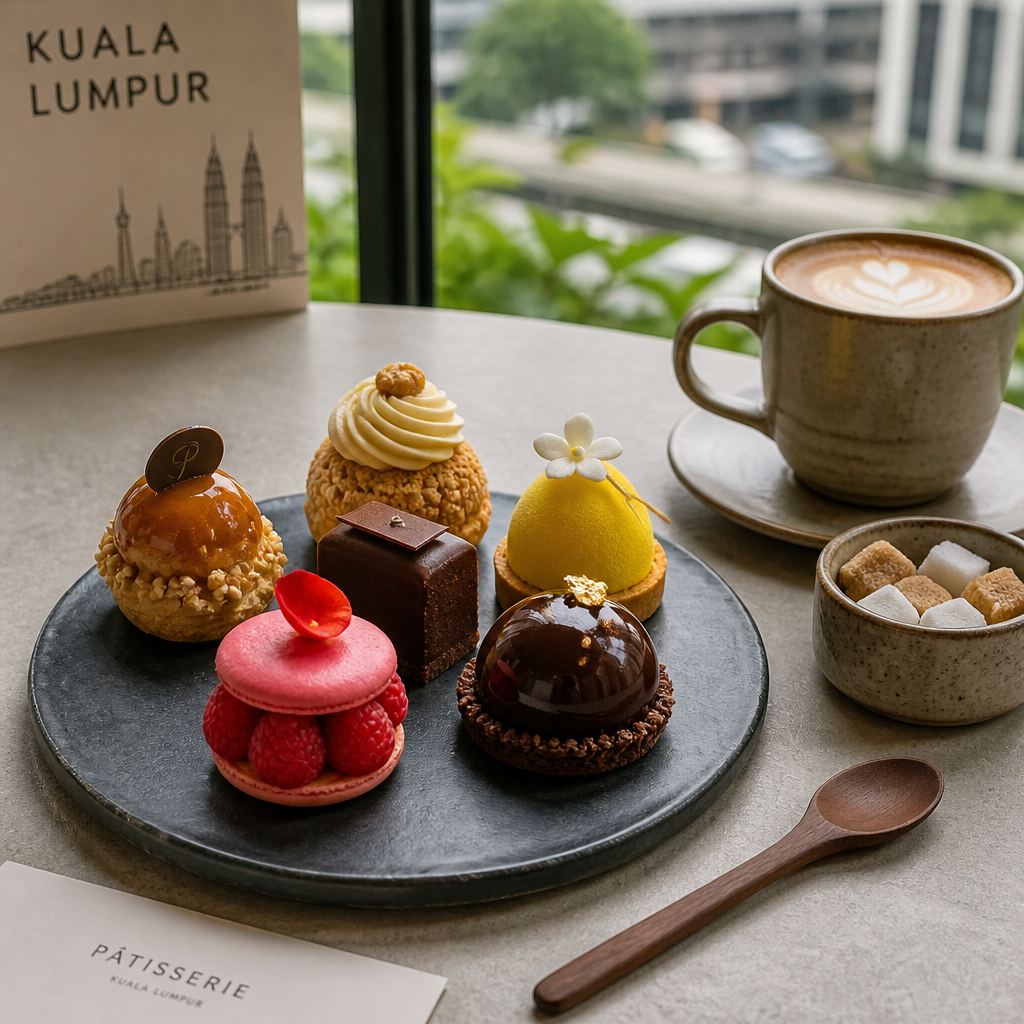
Palmiers also work well as petit four additions to corporate events or celebration platters. They are individually portioned, visually striking, and hold their texture better than most cream-filled pastries when presented at room temperature.
Pro tip: Store palmiers in a single layer on a wire rack after purchase, never stacked. Stacking traps steam from the caramelized sugar and softens the crisp exterior within about 30 minutes.
Tarts Done the French Patisserie Way
The tart is arguably the most technically demanding item in the petite pastry category. It requires competence in three separate disciplines: pastry shell construction, custard or cream preparation, and final decoration or glazing. Getting one right is straightforward. Getting all three right simultaneously is what defines a competent patisserie.
The anatomy of a proper French tart
A French tart begins with the shell, typically pâte sucrée for sweet tarts. This is a short pastry enriched with icing sugar and egg yolks, which produces a fine, almost sandy crumb rather than the flaky layers of puff pastry. The shell is fitted into a tart ring, chilled, blind-baked with weights to prevent puffing, then baked again without weights to dry out the interior.
The filling for the most classic French tart, the tarte au citron (lemon tart), is a curd made from eggs, lemon juice, sugar, and butter cooked over gentle heat. It should be silky, set but not rubbery, and tart enough to balance the sweetness of the shell.
Fruit tarts use a base of crème pâtissière (pastry cream), which is a cooked custard thickened with cornstarch. The pastry cream must be cooked long enough to remove the starchy flavor, then chilled and used as a stable base for fresh fruit.
Local tart flavors in the KL market
Malaysian patisseries have introduced tart flavors that resonate locally. Cendol tarts use pandan-flavored custard with gula melaka (palm sugar) glaze. Durian tarts are polarizing but genuinely popular. Burnt cheesecake-style tart fillings, referencing the Basque cheesecake trend, appear on menus alongside more classical options. At Petite Serie, the presence of items like Burnt Cheesecake in their whole cake range suggests a kitchen comfortable working across both classical French technique and local flavor adaptation.
The key quality check for any tart: press the base gently with your thumb before purchasing. It should feel firm, not soft or damp. A soft base indicates either underbaking or moisture migration from a wet filling, both of which indicate poor technique or poor timing.
Comparing Petite Pastries: Cinnamon Rolls vs Palmiers vs Tarts
Choosing the right petite pastry for your occasion comes down to occasion type, storage requirements, and the guest experience you want to create. The table below gives you a direct comparison of the three formats covered in this guide.
| Pastry Type | Best Occasion | Shelf Life and Storage |
|---|---|---|
| Cinnamon Rolls | Birthday morning spreads, brunch events, casual celebration boxes | Best within 12 hours. Room temperature in airtight container. Reheat at 160C for 5 minutes before serving. |
| Palmiers | Corporate gift boxes, petit four platters, event grazing tables | Best within 4 hours of baking. Single layer, uncovered at room temperature. Avoid refrigeration entirely. |
| Tarts | Formal events, high-end celebration dessert tables, gifts with visual impact | Same-day consumption for cream and custard tarts. Fruit tarts can hold refrigerated up to 24 hours if glazed with nappage. |
If you are organizing a birthday celebration or event in KL or Selangor and want to include multiple petite pastry types, order palmiers and tarts from the same patisserie to ensure the butter quality and technique are consistent across the spread. Mixing suppliers for a grazing table often produces a visually inconsistent result.
Where to Find Premium French Pastries in KL and Selangor
The KL patisserie scene has matured significantly. The question is no longer whether you can find French pastries in KL. The question is whether the pastries are made with proper technique or whether they simply look the part on social media.
What to look for when evaluating a patisserie
Four markers indicate a serious pastry operation. First, the menu should show restraint. A patisserie making 40 different products almost never executes all of them well. Second, freshness windows should be communicated clearly. Third, the business should offer same-day pickup or delivery options, because petite pastries that sit in a delivery vehicle for three hours are a different product from what left the kitchen. Fourth, custom and celebration orders should exist alongside the regular menu, indicating the kitchen has enough control over production to accommodate specific requests.
Petite Serie as a reference point for handcrafted French pastry in KL
Petite Serie Desserts operates out of KL and Selangor with a product range that covers both classic French pastry formats and celebration cakes. Their menu includes Danish pastries, croissants, whole cakes with both Western and local-inspired flavors, and petit fours. The business offers same-day delivery and pickup, which is the correct model for fresh pastry distribution in a city like KL where traffic can turn a 20-minute delivery into a 90-minute one.
For anyone building a dessert table for a birthday, a corporate event, or a celebration that requires both showpiece cakes and accompanying petite pastries, sourcing everything from a single patisserie with this range reduces coordination complexity and ensures visual and flavor coherence across the spread.
If you want to explore their full range of celebration cakes alongside petite pastry options, their cake collection and pastry range are the best starting points for planning an order.
Frequently Asked Questions
What are the most popular French pastries available in KL?
The most consistently popular French pastries across KL patisseries are croissants, palmiers, lemon tarts, and cinnamon rolls. Croissants dominate morning orders, while tarts and palmiers perform well as afternoon treats and event additions. Cinnamon rolls have seen a sharp rise in popularity over the past three years, particularly at artisan bakeries that use enriched or laminated dough rather than standard bread dough.
Are cinnamon rolls considered a French pastry?
Cinnamon rolls originate from Scandinavia, specifically Sweden, where they are called kanelbullar. However, French patisseries have adopted and refined the format, often using enriched viennoiserie dough or even croissant dough as the base. When made with classical French technique, a cinnamon roll belongs firmly in the artisan pastry category alongside other enriched dough products like brioche and pain au lait.
How do I know if a palmier is made with real butter or margarine?
The clearest indicator is flavor. All-butter palmiers have a clean, rich, slightly nutty flavor when the caramel sets. Margarine-based palmiers taste greasy and flat. A secondary check is the color. Butter caramelizes at a lower temperature and produces a deeper amber color with more uneven browning, which is actually desirable. Margarine produces a paler, more uniform cookie-like appearance with less visual drama in the layers.
Can I order French pastries for same-day delivery in KL?
Yes. Patisseries like Petite Serie in KL offer same-day delivery and pickup options, which is the correct way to handle fresh pastry orders. For cinnamon rolls and tarts in particular, same-day ordering is not just convenient, it is the difference between a product at peak quality and one that has declined. Always confirm the delivery cutoff time when placing your order, as most KL patisseries require orders to be placed by mid-morning for same-day dispatch.
What petite pastries work best for birthday celebrations in Malaysia?
For birthday celebrations, a combination of a centrepiece celebration cake with accompanying petite pastries creates the most memorable dessert experience. Tarts work well for formal celebrations because they are visually striking and individually portioned. Cinnamon rolls suit birthday morning deliveries and casual gatherings. Palmiers work excellently on celebration platters because they hold well at room temperature during a party and require no cutlery. Patisseries like Petite Serie offer celebration cakes alongside their pastry range, which simplifies ordering for events that need both formats.
What is the difference between pâte sucrée and pâte sablée in French tarts?
Pâte sucrée is a sweet shortcrust pastry made with a lower ratio of fat to flour, producing a firm, slightly crisp shell that holds its shape cleanly and handles wet fillings well. Pâte sablée uses more butter and is worked to a finer texture, producing a crumblier, more sand-like bite. Pâte sablée is used when you want the shell itself to be a dominant textural element. Pâte sucrée is the safer choice for tarts with heavy or moist fillings like custard or curd.
Have you tried petite French pastries from a KL patisserie recently? Share what you ordered and whether it met your expectations in the comments.
References
- Statista: Global bakery and pastry market size data and consumer trend reports
- Forbes: Coverage of the artisan food and specialty bakery industry growth
- ScienceDirect: Peer-reviewed research on laminated dough structure, butter fat content, and baking science
- Food Network: Reference resource for classical French pastry technique and ingredient standards
- The Spruce Eats: Detailed technical guides on French pastry types including pâte sucrée, palmiers, and enriched doughs